

Argan Oil: Why It’s Not Right for Every Skin Type
Argan Oil has been sitting on beauty shelves for years now and if you’ve scrolled past even 1 skincare advert on Instagram, you’ve probably seen it marketed as a miracle ingredient for hair, skin and everything in between.
As a certified cosmetic formulator, I want to give you the honest version not the marketing version. Argan Oil is genuinely wonderful for a lot of people but it is not universally suitable. If you have oily skin or an oily scalp, this is a post you need to read before you spend your money. Let’s go through Argan Oil properly!
What Is Argan Oil?
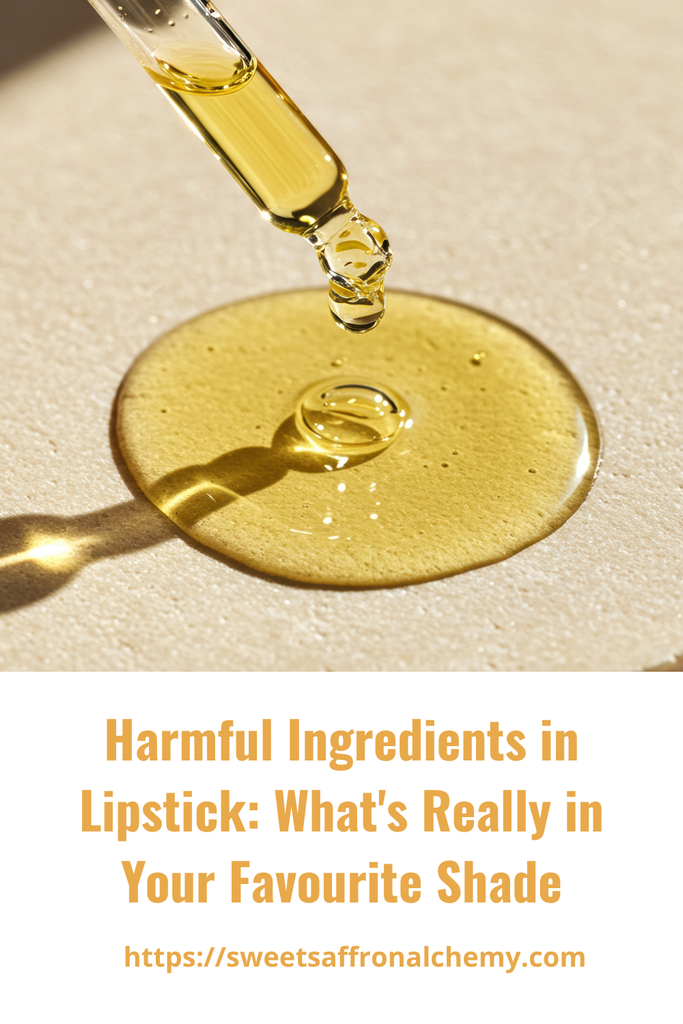
Argan Oil comes from the kernels of the Argan tree (Argania Spinosa) which grows almost exclusively in southwestern Morocco. Cold-pressed Argan Oil is rich in fatty acids, mainly Oleic Acid and Linoleic Acid, alongside Vitamin E (Tocopherol) and plant sterols.
In INCI terms, you’ll see it listed as Argania Spinosa Kernel Oil on ingredient labels. It’s a heavier, richer oil compared to something like Squalane or Grapeseed Oil which is exactly why it works so well for some skin types and so poorly for others.
Why Is It So Popular, I See It Everywhere!
Argan Oil earned its “liquid gold” reputation because it genuinely delivers for dry, mature, and normal skin types. It softens, it nourishes, and it leaves skin looking dewy rather than greasy.
But here’s the thing I want every mom reading this to hold onto: no matter how popular a skincare product is in the market, you need to use products according to your own skin type not according to a trend.
A product being a bestseller, a celebrity favorite or all over TikTok says nothing about whether it’s right for your specific skin. Popularity is a marketing outcome not a skin compatibility test.
Argan Oil is one of the clearest examples of this in the entire skincare industry.
When Argan Oil Works Brilliantly (and When It Doesn’t)
Argan Oil tends to work brilliantly when your skin is dry, dehydrated, flaky, or going through a rough patch, such as after childbirth or during a change in season. It also does well as a hair and scalp treatment for dry, frizzy, or damaged strands.
Where it tends to fall short is on oily or acne-prone skin, and this is worth repeating clearly: if you have oily skin or an oily scalp, Argan Oil is often not the right choice for you.
Because it’s rich in Oleic Acid, it tends to sit heavier on the skin’s surface rather than absorbing quickly. For many people with already-oily skin, this can translate into a greasier feel, clogged pores, or scalp congestion that leads to more oil production not less.
Where Argan Oil Comes From (and Where You’ll Find It)
Genuine Argan Oil is traditionally hand-extracted in Morocco, a process that’s been passed down through generations of Berber women’s cooperatives.
Today, you’ll find it everywhere — facial oils, hair serums, body lotions, cuticle treatments, and even shampoo formulations. The wide availability is part of the problem, honestly, because it means Argan Oil gets added into products marketed to every skin type, oily included, simply because it sells well and photographs beautifully in amber glass bottles.
Which Skin Types Should Think Twice About This Oil
If you fall into any of these categories, it’s worth pausing before reaching for Argan Oil:
- Oily skin that already produces excess sebum throughout the day
- Oily scalp or hair that’s already greasy
- Acne-prone skin especially along the jawline, chest, or back
- Skin that reacts to heavier plant oils with congestion or breakouts
None of this means that it’s a bad ingredient. It simply means it’s a poor match for these particular skin types and no amount of good marketing changes that basic formulation reality.
Who is it for?
Argan Oil genuinely shines for people with dry, normal, combination-leaning-dry or mature skin.
It also suits those dealing with environmental dryness, such as time spent in air-conditioned offices or Singapore’s occasional dry spells and anyone looking for a richer oil to seal in moisture at the end of a routine. If that’s you, Argan Oil can absolutely earn a permanent spot in your skincare or haircare shelf.
How to Use This Oil Properly
If you have oily skin or an oily scalp but still want to try formulating with Argan Oil at home, here’s my honest formulator’s advice: use a lesser percentage and blend it with oils or esters that actually suit your skin type.
Rather than using as your main carrier oil at 100%, bring it down to around 1% to 3% of your total oil phase and pair it with lighter, faster-absorbing options such as Squalane, Jojoba Oil, Caprylic/Capric Triglyceride or Isopropyl Myristate.
These lighter oils and esters help balance out the richness of this Moroccan oil, giving you a touch of its nourishing benefits without the heavy, pore-clogging feel that oily skin tends to react badly to. This approach lets you enjoy Argan Oil’s strengths while formulating specifically for your own skin, rather than following whatever percentage a trending product happens to use.
Of course, you don’t just add oils, esters and water together… they won’t mix!
Final Thoughts
Argan Oil deserves its reputation but reputation isn’t the same as suitability. Before you buy or formulate anything because it’s popular, ask yourself honestly whether it actually fits your skin type.
If you have oily skin or an oily scalp, treat Argan Oil with caution, or use it sparingly and thoughtfully alongside lighter oils and esters that were actually designed for your skin’s needs.
If you’d like more honest, formulator-led breakdowns like this one, pop your email in below and I’ll send them straight to your inbox.

